Why Local Expertise Matters for Emergency Water Removal in California
Water damage emergencies require fast decisions, but effective outcomes depend on local conditions. This article explains why regional knowledge is critical for emergency water removal in California, including climate, construction, regulations, and response logistics. It also outlines how local factors affect Emergency Water Removal Services in Escondido, CA, and surrounding communities.
Regional Climate and Environmental Factors
California’s varied climate creates location-specific water damage risks.
- Heavy rains and floods: Mountain runoff and seasonal storms can cause flash floods in foothills and valleys. In Escondido, about 16.1% of properties face flood risk today, requiring readiness for sudden inundation. Coastal storms may flood streets and low areas; sandbags and pumps are often needed to protect homes.
- Drought and wildfire effects: Prolonged dry spells can crack foundations and increase runoff when rains return. After wildfires, burned hillsides have less vegetation to absorb rain, raising mudslide and flooding hazards.
- Coastal factors: In beach cities like Solana Beach, Emergency Water Removal Services in Solana Beach, CA must consider salt-air corrosion and high humidity. Saltwater intrusion can damage plumbing and appliances, and higher humidity slows drying, requiring corrosion-resistant equipment.
- Soil and drainage: Local soil types (clay vs. sandy soils) and drainage infrastructure affect how water pools. Coastal areas often have sandy soil with fast drainage, while inland basins with clay soils hold standing water longer.
- Seasonal patterns: Southern California’s rain mostly falls in winter; even a short downpour can overwhelm drainage. Local experts anticipate these patterns and stage equipment before storms.
California’s climate influences water damage. Coastal communities may see flooding from storms and tides, while inland valleys risk flash floods from heavy rains. Local restoration teams know which areas flood first and prepare pumps or barriers accordingly.
Construction and Infrastructure Differences
Home construction styles and materials vary by region, affecting water intrusion and drying needs.
- Foundation types: Many Southern California homes lack basements; instead, they have slabs, crawlspaces, or pier-and-beam foundations. Slab foundations can trap water underneath, while crawlspaces need thorough drying to avoid mold. Local technicians know common regional foundation designs.
- Building materials: Wood framing, stucco exteriors, and porous materials are common in California. These materials absorb water differently from concrete or brick, requiring specific drying techniques. Coastal buildings may use rust-prone metals or special sealants that local pros recognize.
- Age of homes: Older houses may have outdated plumbing or no vapor barriers, while newer builds follow stricter codes. Local experts know which neighborhoods have older infrastructure that can fail during floods.
- Plumbing systems: Regional knowledge of local plumbing standards matters. For example, Escondido’s older homes may use cast-iron drains that corrode over time. Local crews are familiar with such issues and test for hidden leaks.
- Building codes and designs: California building codes (like earthquake retrofitting) can influence ceiling height and wall thickness. Local restoration teams account for these details when removing water or cutting drywall.
Effective local restoration accounts for these construction details. Professionals tailor their approach to a home’s design – for instance, carefully pumping water from under slab foundations or using plastic sheeting on crawlspace dirt floors to prevent moisture rise.
Response Times and Accessibility
A local company can respond faster, reducing damage and mold growth.
- Rapid dispatch: Local crews can arrive within hours, whereas out-of-area teams may take much longer. Every hour counts – mold can begin growing 24–48 hours after exposure. Quick water extraction and drying limit this risk.
- Neighborhood logistics: Local technicians know traffic patterns and alternate routes, ensuring they reach the home as soon as possible, even during peak hours or after a storm. They have multiple routes mapped out for their service areas.
- Equipment readiness: Nearby service centers keep pumps, vacuums, dehumidifiers, and other equipment on standby for the region’s needs. This avoids delays from shipping or long travel.
- Local supply chains: Spare parts are stocked locally, enabling faster repairs. Professionals can replace a burst local water line immediately without waiting for distant suppliers.
- Availability: Familiarity with the area means local firms often offer true 24/7 emergency service, because staff live in or near the community.
In a water emergency, turning off the source is immediate first aid, followed by fast cleanup. Local responders arrive sooner to pump out water and set up drying equipment, which drastically limits damage. Their quick action reduces the chance that moisture seeps deeper into walls or encourages mold.
Local Regulations and Insurance Considerations
Local knowledge ensures compliance with California codes and efficient insurance claims.
- Building and health codes: California law requires thorough dry-out and mold remediation after water damage. For example, Chino Hills enforces codes that mandate proper drying and mold removal in restorations. Local experts understand these rules and follow them, avoiding fines or the need for redo work.
- Permits and inspections: Some repairs need local permits. Neighborhood specialists know which fixes require approval and streamline the process with city inspectors.
- Insurance coverage: Local insurers and public adjusters know standard coverage. Usually, homeowners’ insurance covers sudden leaks, but not flooding from creeks or coastal surge. For example, properties in flood zones may require separate flood policies. Local firms can advise on this nuance.
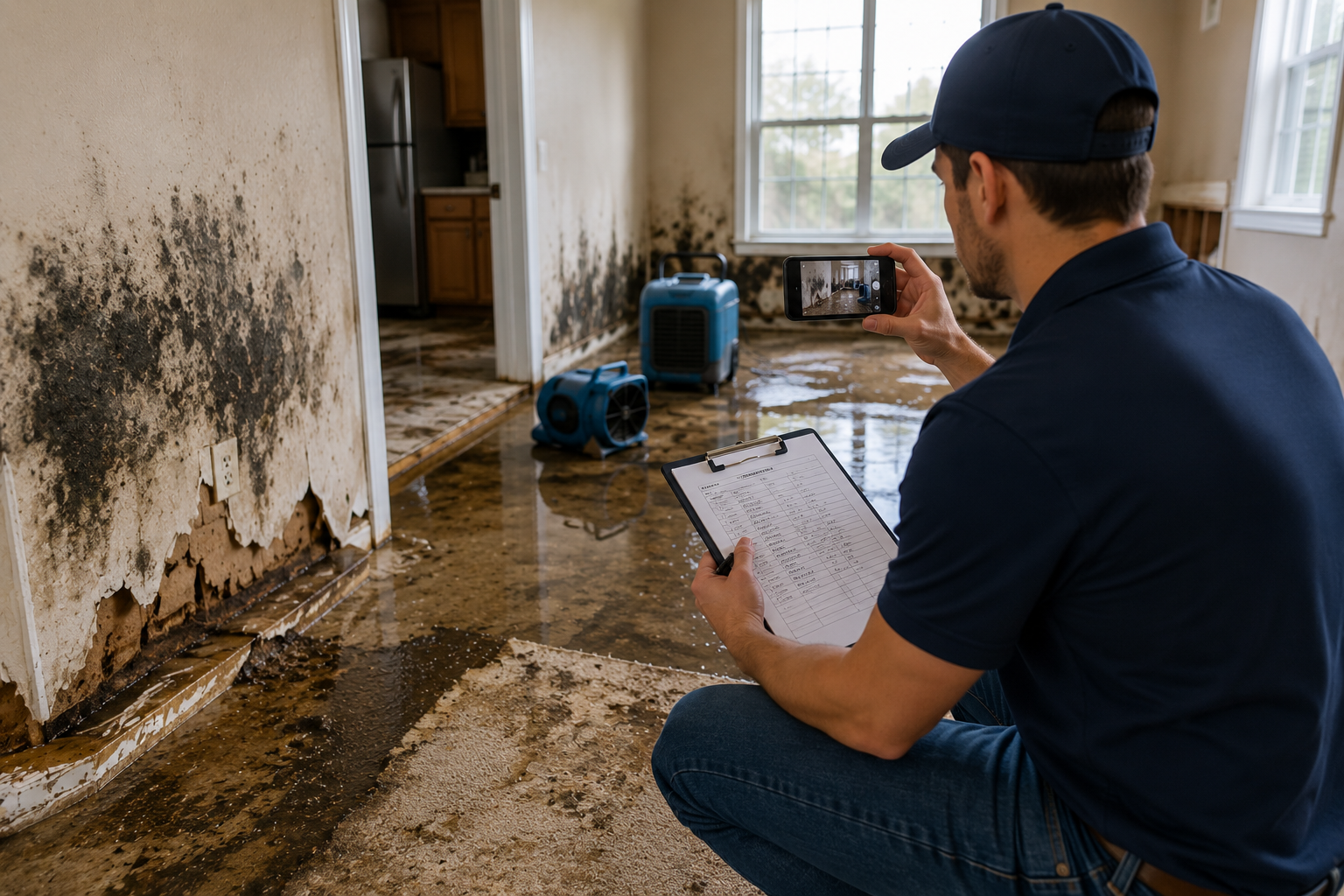
- Documentation and timing: Local companies are familiar with regional insurance adjusters and their paperwork. They help homeowners document damage following insurer protocols, speeding claim approvals. Keeping records of minor previous issues can also assist local claims.
Working with a local team reduces confusion. They clearly explain what types of incidents insurance will cover and guide homeowners to prepare the necessary documents. By aligning cleanup work with local regulations, they prevent delays that might occur if noncompliant methods were used.
Common Mistakes in Water Removal
Ignoring local factors often leads to incomplete restoration.
- Incomplete drying: A common error is assuming a room is dry without checking hidden areas. In humid coastal regions, moisture can linger behind walls or under cabinets. Local professionals use moisture meters and thermal imaging to find trapped water that amateurs might miss.
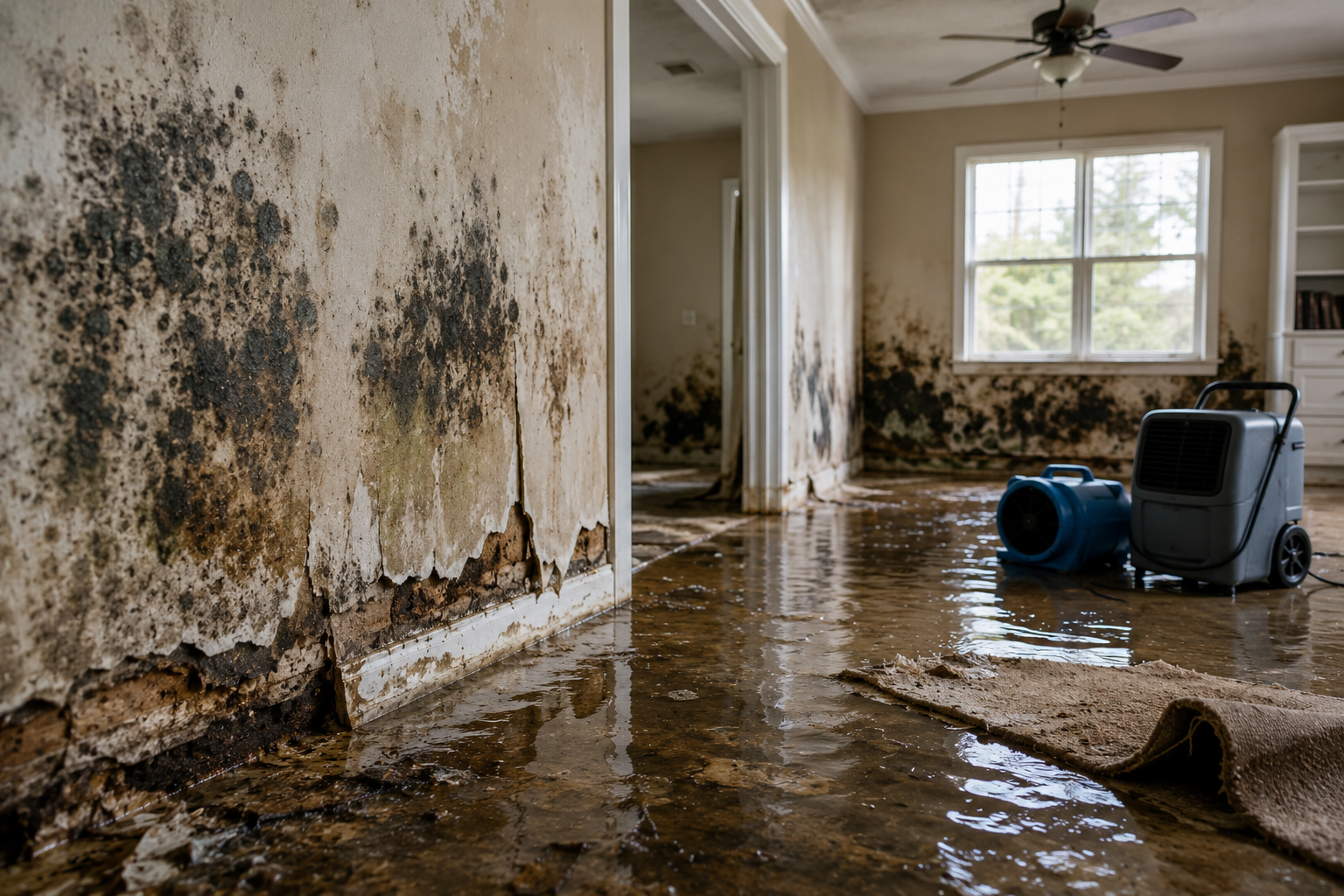
- Ignoring mold risk: Homeowners may overlook mold prevention. California’s warm climate can accelerate mildew; mold can start within 24 hours of a leak. Without immediate sanitization and dehumidification, microscopic spores spread. Local teams proactively apply antimicrobial treatments.
- Using wrong materials or methods: For example, using bleach on a leaky roof near the ocean can fail because salt residue interferes with cleaning. Or using a fan without a dehumidifier in a humid area can just blow moisture around. Local expertise ensures the correct combination of equipment for the environment.
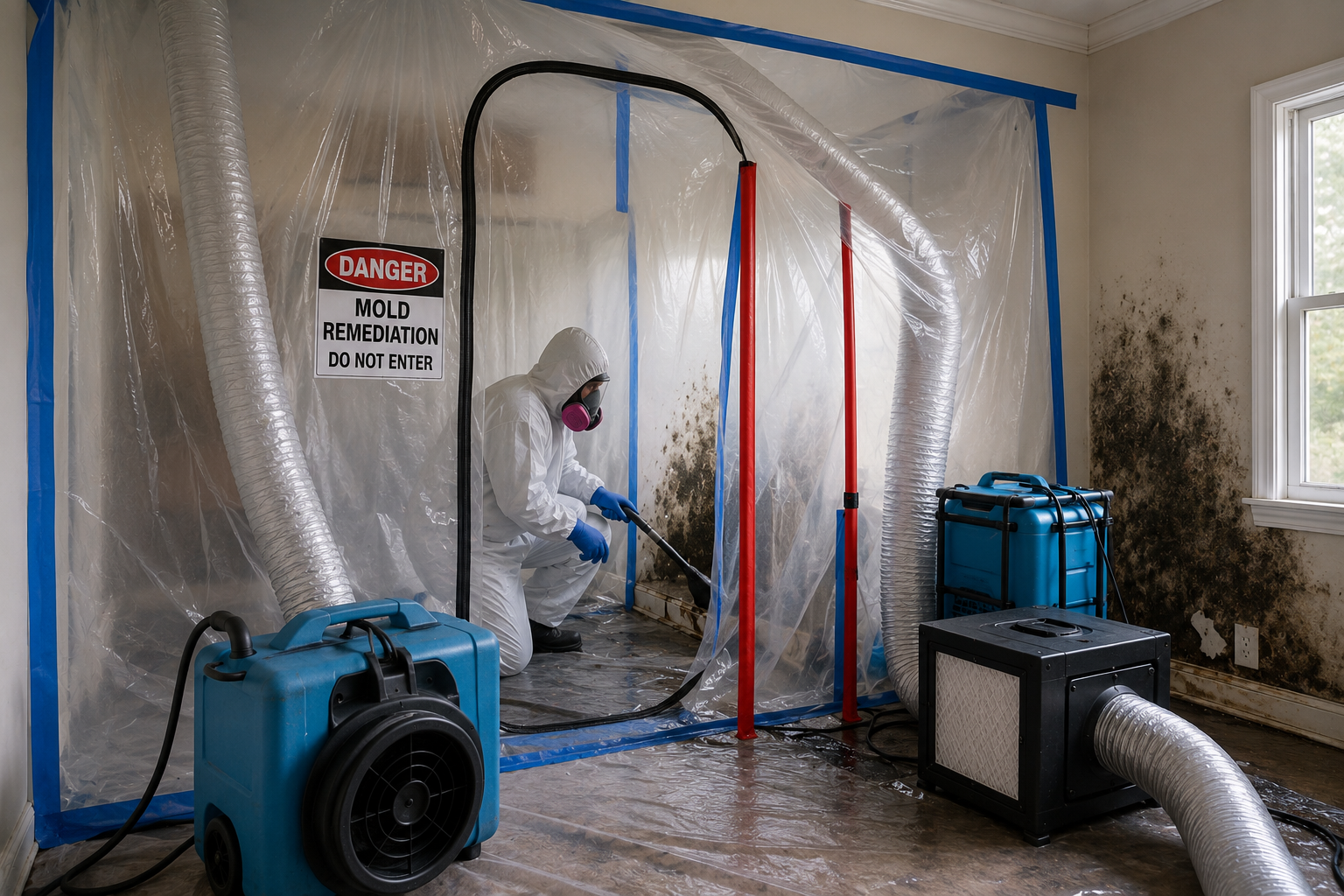
- Underestimating contamination: Some water incidents seem minor but involve biohazards. Treating these as “clean” water is dangerous. A local restoration company recognizes when a contaminated cleanup is needed, ensuring proper PPE and disposal.
- Neglecting prevention: Forgetting to clear gutters or failing to install sump pumps after past floods leads to repeat issues. Local firms often advise clients on lasting fixes to prevent recurrence.
These mistakes highlight why area-specific experience is vital. Local professionals know to remove baseboards, drill weep holes in walls, or remove wet drywall to prescribed heights. They avoid shortcuts that save money in the moment but cost far more if moisture returns.
Water Removal and Restoration Steps
Professional remediation follows a clear, thorough process tailored to local conditions.
- Assessment and categorization: Technicians first identify the water source and the affected areas. This determines the safety measures and cleaning methods. For instance, floodwater from Solana Beach streets may carry salt and pollutants needing special handling.
- Extraction: Standing water is removed using pumps or vacuums. In homes on slabs, crews may drill small holes to drain trapped water. They carefully pump out basements or patios, considering local drainage.
- Drying and dehumidifying: Industrial fans and dehumidifiers are set up. In humid coastal regions, extra dehumidification is crucial. Technicians monitor humidity until it reaches normal indoor levels. In drier inland areas, strong air circulation prevents wood from warping.
- Cleaning and sanitizing: All surfaces are cleaned and disinfected. Contaminated materials are removed. For Category 3 water, teams ensure disposal follows health codes to prevent illness.
- Structural repairs and restoration: Once dry, damaged structures are repaired or rebuilt. Local contractors may replace materials with those suited for the region. Throughout, moisture readings verify that work is complete.
Experts often remind homeowners: first, shut off water sources like leaking faucets or broken pipes. Then they extract water and dry everything thoroughly. They document each step and follow up to ensure the home stays dry. Local teams account for specific construction – for example, making sure to dry under ceramic tile in an Escondido home or behind wall tiles in a Solana Beach bathroom – so that no moisture lingers.
Cost and Timeline Considerations
Repair costs and recovery time depend on the extent and response speed.
- Damage scale: Small leaks (Class 1) may cost only hundreds of dollars, while major floods (Class 3 or 4) cost much more. For example, class 3 (severe flooding or sewage) often runs $1,100–$3,200. Class 4 (specialty drying, like soaked hardwood or concrete) can exceed $20,000.
- Water type: Clean water (from a faucet) is cheapest to fix (perhaps $3–$4 per sq ft), since it only needs drying. Contaminated water (from a sewer or storm debris) is costlier ($7+ per sq ft) and may require replacing drywall or flooring. Local labor rates are fairly standard, but contaminated jobs take more time and materials.
- Timeliness: Acting quickly reduces costs. Every hour water sits raises moisture levels. As noted by restoration experts, prompt restoration prevents mold and structural damage, ultimately saving money. Delays can double repair time if, for example, mold remediation becomes necessary.
- Insurance coverage: Proper documentation and compliance with local regulations help maximize coverage. If a flood is covered, insurers often want evidence of timely mitigation. Local professionals know what paperwork (like moisture logs or permits) insurers expect.
- Downtime and disruption: Emergency jobs are usually prioritized, but the timeline still depends on drying needs. A moderate leak might dry in 1–2 days, while a basement flood may take a week. Local experts set realistic schedules: for instance, they know Southern California’s ambient humidity can extend drying time unless dehumidifiers run continuously.
In practice, costs vary widely with each home’s specifics. Homeowners should weigh hiring certified pros against the risk of hidden damage. In all cases, local expertise tends to limit overall costs by preventing repeated repairs or fines for noncompliance.
Local Versus National Restoration Services
Local companies often offer faster, tailored responses compared to larger chains.
- Familiarity: Local teams understand the community and geography. Their technicians are often neighbors and already know local building conditions and codes. They may have experience with area-specific problems, like coastal corrosion or basin flooding.
- Responsiveness: Smaller local firms can schedule jobs quickly and communicate directly. National brands may have more rigid scheduling or transfer calls between offices. In contrast, a local business can dispatch a known crew immediately when a resident calls.
- Community investment: Local businesses depend on their reputation in the area. They may go the extra mile to ensure satisfaction. For example, they might offer more personalized advice on preventing future water issues.
- Resources and coverage: National chains might have more equipment or teams, which is helpful after large disasters. However, they may be deployed from far away, delaying local service. Local firms can mobilize quickly in smaller events.
- Costs and contracts: Pricing can be similar, but local companies might charge less overhead. Some national companies have standard packages, while local experts can provide customized estimates based on a specific home and region.
Choosing between local and national services involves trade-offs. A local provider brings area-specific knowledge and often faster on-site action; a national chain may offer broader liability coverage. In either case, ensuring the provider is certified and adheres to regional codes is key to a successful restoration.
Conclusion
Local expertise significantly improves emergency water removal outcomes. By tailoring responses to California’s climate, building styles, and regulations, trained technicians help prevent mistakes like hidden moisture or code violations. Homeowners can make clearer decisions knowing factors like response time, local codes, and insurance rules have been addressed.
Jb Water Damage Restoration emphasizes these practical details for reliable recovery.
You might also like